Key Players in the Texas CPS Court Process
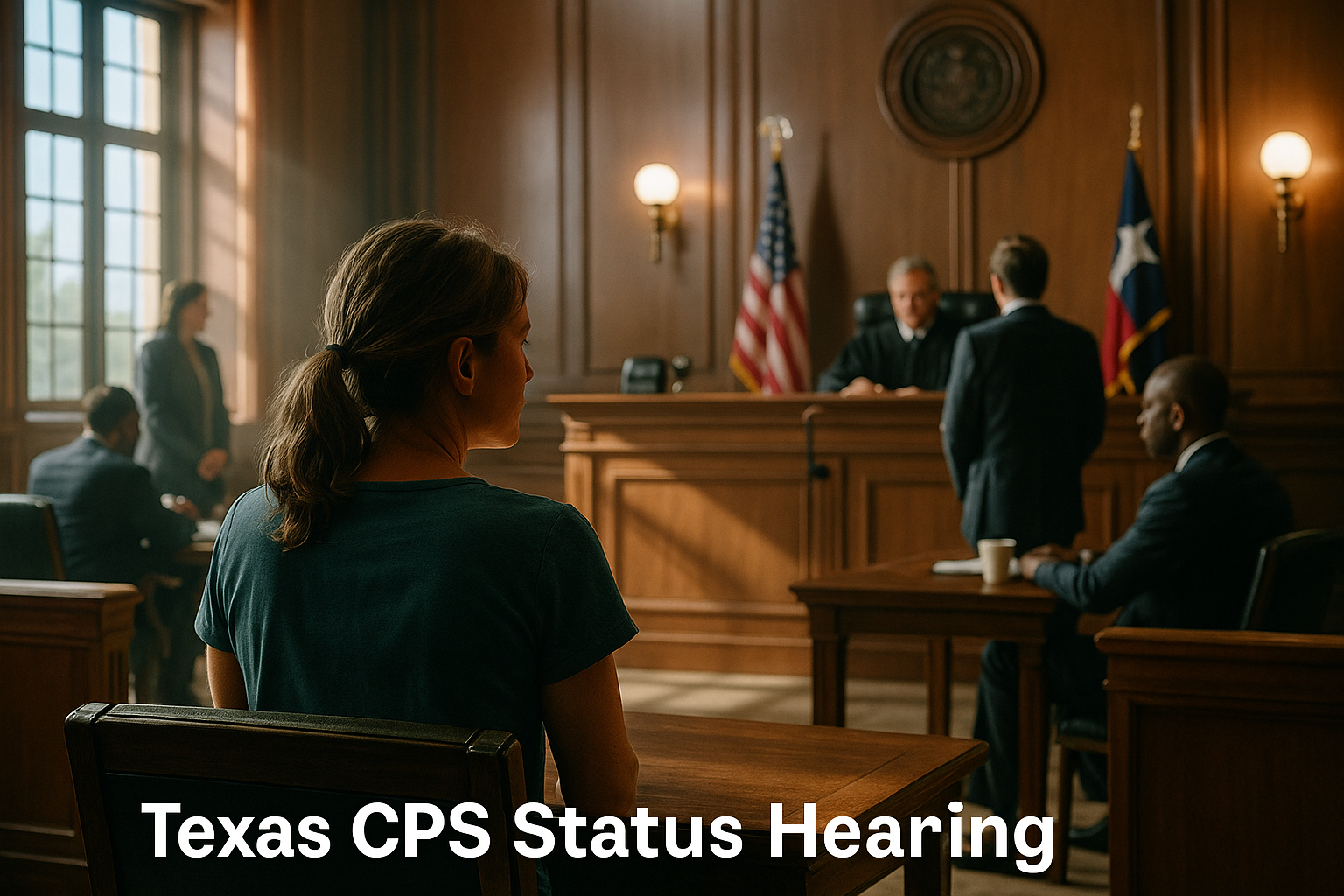
The Texas CPS court process involves various key players, including parents, CPS caseworkers, attorneys, and judges. Each participant plays a vital role in ensuring that the best interests of the child are prioritized throughout the proceedings.
Understanding the roles of these individuals can help parents navigate the complexities of the system. For instance, CPS caseworkers are responsible for investigating reports of abuse or neglect, while attorneys represent the interests of the parents or guardians involved. Judges ultimately make decisions based on the evidence presented and the recommendations from the CPS and legal representatives.
Common Challenges Faced by Parents in CPS Cases
Parents involved in CPS cases often encounter numerous challenges, such as emotional stress, legal complexities, and potential separation from their children. These obstacles can be overwhelming, making it crucial for parents to seek legal guidance and support.
For example, parents may struggle to understand the legal terminology used in court or the implications of a safety plan. Additionally, the emotional toll of potentially losing custody can lead to anxiety and confusion. Having an experienced attorney can provide clarity and help parents effectively advocate for their rights.
Steps to Prepare for a CPS Hearing
Preparation for a CPS hearing is essential for parents to effectively present their case. This involves gathering relevant documents, understanding the hearing process, and possibly attending pre-hearing conferences to discuss the case with their attorney.
Parents should compile evidence, such as character references, documentation of their parenting practices, and any other materials that can support their case. Additionally, familiarizing themselves with the courtroom environment and the expectations of the judge can significantly enhance their confidence during the hearing.
Resources for Families Navigating CPS Issues
Families facing CPS involvement can benefit from various resources designed to provide support and information. These resources may include legal aid organizations, support groups, and educational materials that explain the CPS process.
For instance, local non-profits may offer workshops on parental rights and the CPS process, while online resources can provide articles and guides tailored to specific situations. Connecting with other families who have gone through similar experiences can also offer emotional support and practical advice.
Key Players in the Texas CPS Court Process
The Texas CPS court process involves various key players, including parents, CPS caseworkers, attorneys, and judges. Each participant plays a vital role in ensuring that the best interests of the child are prioritized throughout the proceedings.
Understanding the roles of these individuals can help parents navigate the complexities of the system. For instance, CPS caseworkers are responsible for investigating reports of abuse or neglect, while attorneys represent the interests of the parents or guardians involved. Judges ultimately make decisions based on the evidence presented and the recommendations from the CPS and legal representatives.
Common Challenges Faced by Parents in CPS Cases
Parents involved in CPS cases often encounter numerous challenges, such as emotional stress, legal complexities, and potential separation from their children. These obstacles can be overwhelming, making it crucial for parents to seek legal guidance and support.
For example, parents may struggle to understand the legal terminology used in court or the implications of a safety plan. Additionally, the emotional toll of potentially losing custody can lead to anxiety and confusion. Having an experienced attorney can provide clarity and help parents effectively advocate for their rights.
Steps to Prepare for a CPS Hearing
Preparation for a CPS hearing is essential for parents to effectively present their case. This involves gathering relevant documents, understanding the hearing process, and possibly attending pre-hearing conferences to discuss the case with their attorney.
Parents should compile evidence, such as character references, documentation of their parenting practices, and any other materials that can support their case. Additionally, familiarizing themselves with the courtroom environment and the expectations of the judge can significantly enhance their confidence during the hearing.
Resources for Families Navigating CPS Issues
Families facing CPS involvement can benefit from various resources designed to provide support and information. These resources may include legal aid organizations, support groups, and educational materials that explain the CPS process.
For instance, local non-profits may offer workshops on parental rights and the CPS process, while online resources can provide articles and guides tailored to specific situations. Connecting with other families who have gone through similar experiences can also offer emotional support and practical advice.
 Skip to content