Skip to content
The moment Child Protective Services (CPS) leaves with your child is a nightmare no parent should ever experience. The shock, fear, and confusion are completely overwhelming. It feels like the ground has crumbled beneath you, and it’s natural to want to scream, fight, or just break down. Your heart is shattered, and the silence in your home is deafening. You are terrified, not just for your child, but for what this means for your family's future.
However, as impossible as it sounds, the actions you take in the next 48 hours are absolutely critical. They can, and often do, set the entire tone for your case and significantly influence the final outcome. This isn't the time to act on raw emotion. It's time to be strategic, focused, and proactive, because the court and CPS are watching how you respond from this very first moment. This guide is here to provide practical, reassuring guidance to help you navigate this terrifying process.
What To Do in the First 48 Hours After CPS Removal
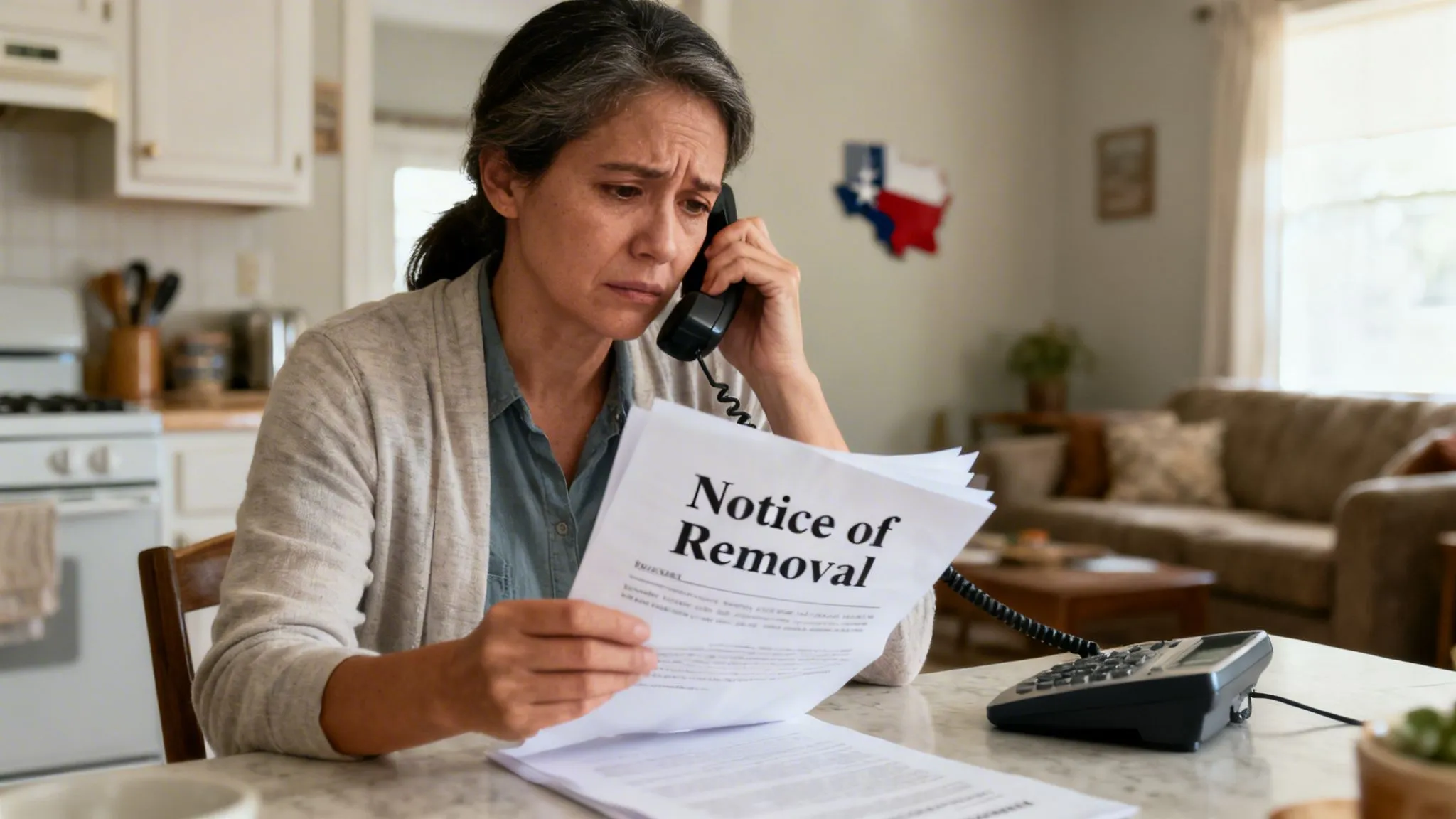
This is a whirlwind, but taking deliberate, informed steps is your first line of defense. The checklist below breaks down your immediate priorities.
Your Immediate Checklist After a CPS Removal
Here is a quick-reference table of the absolute first things you need to do. These actions have tight deadlines and are essential for protecting your rights.
| Action Item | Timeline / Deadline | Why It's Critical |
|---|---|---|
| Locate and Secure All Paperwork | Immediately | The Notice of Removal contains the caseworker's info, your child's location, and the date for your first court hearing. |
| Contact an Experienced CPS Lawyer | Immediately | CPS is already building its case. You need an expert to start building your defense and protect you from missteps. |
| Prepare for the 14-Day Hearing | Within 14 days | This "Show Cause" or Adversary Hearing is your first chance to present evidence and challenge the removal in court. |
| Begin Documenting Everything | Ongoing | Every call, text, and interaction is potential evidence. A detailed log is invaluable for your attorney. |
Taking these steps methodically will help you regain a sense of control and ensure you are doing everything possible to fight for your family.
Get Your Hands on the Paperwork
The caseworker who removed your child is legally required to give you certain documents. These papers aren't just procedural—they are your first tools for fighting back. You should have received a Notice of Removal, a formal document stating why your child was taken.
This notice is your roadmap. It should include:
- The name and contact information for the caseworker assigned to your case.
- The location where your child has been placed (this could be with a relative or in a foster home).
- Crucial information about your first court hearing, which must happen within 14 days of the removal.
Guard this paperwork with your life. It contains essential details you and your attorney will need immediately. If for some reason you didn't get these documents, your first call should be to the caseworker or their supervisor to get copies.
Call a CPS Defense Attorney—Right Now
This is, without a doubt, the single most important step you can take. Do not wait. The clock started ticking the second your child was taken, and you can be sure CPS is already building its case against you. You desperately need a legal advocate who lives and breathes Texas Family Code, especially Chapter 262, which governs these removals.
I’ve seen it happen time and again. A parent in Houston gets a knock on the door after a false report from an angry ex-partner. Instead of arguing and making the situation worse, they calmly accept the paperwork and immediately call a lawyer. That composure and foresight show the court they are serious and cooperative from day one, which can make a world of difference.
A lawyer can get to work right away. They'll contact the caseworker, file the necessary legal motions, and start preparing you for that critical 14-day 'Show Cause' hearing. Going it alone at this stage is a recipe for making mistakes that can be incredibly difficult, if not impossible, to undo.
Your attorney's first job is to get a handle on the allegations and start building a strategy to fight them. They act as a buffer between you and CPS, making sure your words aren't twisted or used against you. As you start this process, learning more about what happens during a CPS emergency removal in Texas can give you vital context for your first conversations with a lawyer.
At The Law Office of Bryan Fagan, we know the terror you are feeling. We have stood beside countless Texas parents in your exact position. Those first 48 hours are a chaotic blur, but you don’t have to go through it alone. Our team is here to provide the firm, experienced legal guidance you need right now.
Call The Law Office of Bryan Fagan for a free and confidential consultation. Let us help you take the first, most important step toward bringing your child home.
Navigating Your First Court Hearing

That first court date after your child is taken is a moment filled with dread and a thousand questions. This hearing, known officially as the "Show Cause Hearing" or "Adversary Hearing," is legally required to happen within 14 days of the removal. Think of it as your first, and arguably most important, chance to stand before a judge and formally challenge what happened.
The entire purpose of this hearing is incredibly specific. Under Texas Family Code Chapter 262, the law puts the burden squarely on CPS. They must convince the judge that an "immediate danger to the physical health or safety" of your child existed, justifying an emergency removal without a prior court order.
CPS has to bring real evidence to back this up; it's not just a formality. This hearing is where the legal battle for your child truly begins. Understanding what happens in that courtroom is your first real step toward getting your child back home.
Who Will Be in the Courtroom
Walking into that courtroom can be jarring. It’s not just you against a caseworker. Knowing who's who is crucial to navigating the process.
- You and Your Attorney: You should never, ever walk into this hearing alone. An experienced CPS defense attorney is your voice, your shield, and your strategist. They will present your evidence and cross-examine CPS witnesses.
- The CPS Caseworker and Attorney: The caseworker who took your child will be there, accompanied by a lawyer who represents the agency. Their job is to present the state's case against you.
- The Judge: This is the neutral decision-maker. The judge’s role is to listen to both sides and determine if CPS actually met its high legal burden for the removal.
- An Ad Litem Attorney: The court will appoint an attorney, known as an "ad litem," whose only job is to represent what they believe are your child's best interests. This lawyer will likely speak with your child, you, and the caseworker.
The sheer number of people involved shows just how seriously the court takes these matters. How you present yourself—calm, prepared, and respectful—can genuinely influence the judge’s impression of you from the very start.
What CPS Must Prove to the Judge
At this initial hearing, the legal bar for CPS is surprisingly high. They can't just tell the judge they had a "bad feeling" or vague concerns. They have to present credible evidence of an immediate, urgent danger that was so severe it required removing your child before getting a court order.
This is a critical point: CPS doesn't have to prove you are a "bad parent" at this stage. They only have to prove that an emergency situation existed. Your attorney's job is to dismantle that argument and show the judge that no such immediate danger was present, making the removal improper.
For example, consider a situation where CPS removed children after a parent was arrested for DWI. While the charge is serious, an experienced lawyer can argue that it doesn't automatically mean the children were in immediate danger. The attorney could present evidence of a stable and safe home environment, arrange for testimony from a grandparent who is always available to supervise, and show proof that the parent has already proactively enrolled in an alcohol assessment program. This kind of swift, responsible action directly counters the CPS narrative of ongoing risk and demonstrates your commitment to your family's well-being.
It's also worth knowing that the landscape of CPS removals in Texas has been shifting. After major reforms post-2018, statewide removals dropped by 55% to just 9,220 by 2024. County-level data shows huge differences in how cases are handled regionally. You can see this for yourself by reviewing the Texas Department of Family and Protective Services data books.
Your lawyer will meticulously prepare to challenge the CPS case, but your cooperation is the key. You are the expert on your own family, and your information is the foundation of your defense. After this initial hearing, your case moves on to other important milestones, and you can learn more by reading our parent's guide to the Texas CPS Status Hearing.
This first hearing is a daunting experience, but it is also your chance to fight back. When the state has taken your child, you need a fighter in your corner who knows the law, the courts, and how to protect your family.
Your child's future is on the line. Contact The Law Office of Bryan Fagan today for a free, confidential consultation. We are ready to stand up for your rights and fight to bring your child home.
Understanding Your CPS Service Plan

After the dust settles from the initial court hearings, if your child isn't immediately returned to your care, CPS will introduce a document called the "Family Service Plan." The very name can feel intimidating, but I tell my clients to see it for what it truly is: your official roadmap to getting your child back home.
Think of this plan as a contract between you and the State of Texas. It spells out every single task you need to complete to prove to the court that you can provide a safe and stable home for your child.
From this point on, your entire case will revolve around this plan. Your compliance—or your struggle to comply—is the main event at every future court date. It's easy to feel overwhelmed when you see a long list of requirements, but each task you check off is a concrete step toward bringing your family back together.
What Is Typically in a Service Plan?
No two families are the same, so no two service plans are identical. However, most plans in Texas share a core set of requirements that are tailored to address the specific allegations that brought CPS into your life.
You can almost certainly expect to see some of these common services:
- Parenting Classes: These are meant to help you learn and demonstrate effective, non-physical discipline techniques and show you have a solid understanding of child development.
- Individual Counseling or Therapy: This is to address personal struggles that may have contributed to the situation, like past trauma, anger management, or mental health concerns.
- Drug or Alcohol Assessment and Treatment: This process usually kicks off with an assessment, followed by random drug tests (like urinalysis or hair follicle tests) and could lead to outpatient or even inpatient treatment.
- Maintaining Stable Housing and Employment: Proving you have a safe, clean home and a steady income is absolutely fundamental.
- Domestic Violence Intervention or Counseling: This is included if family violence was an alleged factor in your child’s removal.
Your goal is to complete every single item on this list, period. Failing to finish even one service gives CPS an easy reason to argue against returning your child. You have to treat every requirement with the utmost seriousness.
Negotiating the Terms of Your Plan
Here’s something many parents don’t realize: your service plan isn't always set in stone. You and your attorney have the right to review and, in many cases, negotiate the terms before a judge signs off on it. This is a critical moment to ensure the plan is both fair and, more importantly, achievable.
Let me give you a real-world example. We had a client, a single mother, who worked an hourly job from 8 a.m. to 6 p.m. Her service plan demanded she attend in-person therapy, but the only approved provider held sessions at 2 p.m. on weekdays. Complying meant risking the job that paid for her stable housing—a classic "catch-22" that sets parents up to fail.
In a situation like this, a proactive attorney can step in. We recently helped a client negotiate their plan to allow for virtual therapy sessions after work hours. This small change made compliance possible without endangering their employment, turning a potential failure point into a documented success.
Your lawyer can argue that certain services are unnecessary, duplicative, or place an impossible burden on you. You can get a deeper look into these crucial documents by breaking down CPS Plans of Service to better prepare for what's ahead.
Document Everything You Do
Completing your services is only half the battle; you have to prove you did them. I always advise my clients to create a "compliance binder" or a dedicated digital folder to meticulously document everything. Don't throw anything away.
Your binder should be filled with records of:
- Completion Certificates: For every class, assessment, or program you finish.
- Attendance Logs: Get signed sheets from every therapy session or group meeting.
- Negative Drug Test Results: Always ask for and keep a copy of every single result.
- Pay Stubs and Lease Agreements: Keep these as proof of your stable income and housing.
This paper trail becomes your most powerful weapon. When you can walk into a courtroom and hand the judge a thick binder overflowing with proof of your hard work, it sends a clear and undeniable message: you've done everything asked of you to bring your child home.
How to Maintain Your Bond During Separation
There’s almost no pain worse than having your child taken from you by CPS. That separation carves out a piece of you, and every second apart feels like an eternity. The fear that your bond with your child is fraying is a heavy, constant burden.
But here's what I tell every parent I work with: you absolutely can and must maintain that connection. It’s not just for your own heart—it’s a critical part of the legal fight to bring your child home.
Your right to visitation is a cornerstone of your case. How you handle these visits sends a powerful message to the judge about your commitment. A consistent, loving presence, even when it’s hard, speaks louder than any argument in a courtroom.
Making Every Supervised Visit Count
Let's be real: your first visits are almost certainly going to be supervised. This means a caseworker or another court-approved person will be in the room, watching your every move. It’s often in a sterile, personality-less office at the CPS agency, and it can feel incredibly awkward.
It’s easy to feel like you're under a microscope, but your focus has to be 100% on your child.
This is not the time to discuss the case, blame anyone, or ask your child a million questions about their foster placement. I know the urge is overwhelming, but your only job in that room is to make your child feel loved, safe, and connected to you.
Try to see it through their eyes. They are terrified, confused, and miss you more than words can say. They need to see their parent—not someone consumed by legal stress or anger. Your calm, reassuring presence is the most powerful gift you can give them right now.
Time and time again, I've seen how a parent's positive, consistent behavior during supervised visits convinces a judge and caseworker of their commitment. This is often the key that helps speed up reunification.
Imagine a dad whose visits are stuck in a small, windowless room. Instead of complaining about the setting, he brings a coloring book and a couple of packs of crayons. For that one hour, they just sit and color together, talking about superheroes and what they’ll do when they can go to the park again. That simple, positive moment is a more powerful statement to CPS than any legal argument he could make.
Practical Tips for Positive Visits
To make these supervised visits work, you have to be intentional. Your goal is to create little pockets of normalcy and connection, no matter how unnatural the setting feels.
Here are a few things that can make a huge difference:
- Bring a Simple Activity: A book you can read together, a small puzzle, or a simple card game like Go Fish helps create a shared focus. Steer clear of anything too complicated or with a lot of small pieces that can get lost.
- Be Present and Engaged: Put your phone on silent and tuck it away. Give your child your full, undivided attention. Make eye contact, really listen to what they're saying, and respond with warmth.
- Keep Conversations Light: Talk about school, their friends, a favorite cartoon, or a happy memory you share. The point is to reinforce your bond, not to solve the case during your visit.
- Follow the Rules—Perfectly: Be on time. End the visit exactly when you're told to. Be polite and respectful to the supervisor, no matter how you feel. Showing you can follow directions is a huge point in your favor.
Your attorney can and should help you advocate for more frequent or longer visits as you make progress on your service plan. Positive, consistent visits are some of the strongest pieces of evidence you have. They show the court that with you, your child has a loving, stable, and safe parent.
Staying Connected Between Visits
The court's orders might also allow you to communicate with your child between visits through phone or video calls. If you get this opportunity, treat it like gold. These calls are a precious lifeline to reinforce your presence in your child's daily life.
Keep the calls short, positive, and try to make them a routine. A quick goodnight call can provide an incredible amount of comfort and stability for a child in a strange, temporary home.
Every positive text, call, or visit helps rebuild the court's trust. More importantly, it constantly reassures your child that your love for them is unwavering. This journey is incredibly difficult, but that bond is worth fighting for every single day.
The Legal Timeline for Getting Your Child Back
After your child is taken by CPS, the days blur into a fog of fear and uncertainty. The future feels like a terrifying, blank slate. One of the very first questions we always hear from parents is, "How long is this going to take?"
While every case has its own unique twists and turns, the Texas Family Code lays out a surprisingly strict legal timeline that both CPS and the courts have to follow. Getting a handle on this timeline won't make the pain go away, but it can give you back a small, crucial piece of control. It shows you the road ahead. This isn't just a random waiting game; it's a series of court dates and deadlines, each with a specific job to do.
Knowing what’s coming next lets you and your lawyer get out in front of the situation instead of just reacting to whatever CPS throws at you next.
The Clock Is Always Ticking
The timeline for a CPS case is primarily dictated by Texas Family Code Chapter 263. This law sets a hard deadline for most cases, which is typically around 12 months from the day the court first assumes legal responsibility for your child. In some rare, specific situations, this can be pushed out to 18 months, but that one-year mark is the critical deadline everyone is working toward.
Attorneys often call this the "rocket docket" for a reason—it moves at a breathtaking pace. The court's primary duty is to find a permanent, safe home for your child as quickly as possible. This puts immense pressure on you to show real, consistent progress on your service plan from day one. There's no time to waste.
Key Hearings and Milestones
After the initial 14-Day Adversary Hearing, your case will move through a series of review hearings. These aren't just informal check-ins; they are formal court proceedings where a judge will make critical decisions about your child’s future based on your progress.
- Status Hearing: This first check-up usually happens within 60 days of the Adversary Hearing. Here, the judge wants to see your court-ordered service plan, check on your first steps, and confirm that you've started having visits with your child.
- Permanency Hearings: These are the major review hearings. The first one must take place within 180 days (about six months). At every Permanency Hearing, the judge evaluates your progress and sets a "permanency goal" for your child. The goal, almost always, starts as reunification with you.
If you’re doing the work and making solid progress, the judge will likely keep reunification as the goal. But if you're not completing your services or are struggling, CPS will almost certainly ask the judge to change that goal to something else, like permanent placement with a relative or even adoption. This is why every single hearing carries so much weight.
This is a great reminder of how simple, positive steps can build powerful momentum in your case, one visit at a time.

When you focus on these small but consistent actions during your visits, you're not just having a good day—you're building a powerful record of positive parenting for the court to see.
The Final Trial and the Threat of Termination
As the case barrels toward the 12-month deadline, the court will schedule a final trial. This is where a judge or a jury will make a permanent decision. Generally, there are only three possible outcomes:
- Reunification: Your child is returned to your home.
- Permanent Managing Conservatorship (PMC): Another person (often a relative) or the State of Texas is granted permanent custody. Your rights are not terminated, but you no longer have legal custody.
- Termination of Parental Rights: The court permanently and irrevocably ends your legal rights as a parent, which clears the way for your child to be adopted.
This last outcome is every parent's worst nightmare. Texas Family Code Chapter 161 lays out the specific legal grounds required to terminate parental rights. It's not a decision any judge takes lightly, but it becomes a very real danger if a parent hasn't finished their service plan or proven they can provide a safe home by that final deadline.
A common myth is that CPS is just out to take kids. While it certainly feels that way when you're in the thick of it, the system is designed to keep families together whenever it's safely possible. Imagine the shock of CPS at your door—a nightmare thousands of Texas families have faced. Yet between 2018 and 2024, the number of children removed by CPS in Texas plummeted by a staggering 55%, from 20,685 kids to just 9,220. This massive shift came after major reforms, leading to a 47% drop in the state’s foster care population. To learn more, you can read the full analysis of the child welfare revolution in Texas.
This legal timeline isn't here to scare you. It's here to arm you with knowledge. It shows that there is a structured path forward, but it also proves that every single day counts. Having an attorney who lives and breathes this timeline and can push you to meet every deadline isn't a luxury—it's absolutely essential when you're fighting for your child's return.
Urgent Questions Swirling After a CPS Removal in Texas
When CPS knocks on your door and leaves with your child, the world stops. The silence that follows is a physical weight, and your mind is a storm of a thousand questions, each one more terrifying than the last. In this moment of pure, gut-wrenching fear, you don't need legal jargon—you need straight answers.
We've stood beside countless Texas parents in this exact moment. Let's walk through the questions we hear most often, providing the kind of clear, real-world advice you need right now.
Can I Talk Directly to My Child's Caseworker?
The simple answer is yes, but the smart answer is far more complicated. Your instinct is to call, to explain, to make them understand. You have to resist that urge.
Think of it this way: the caseworker is not your ally or a counselor. They are an investigator for the State of Texas, and their job is to build a case. Every single word you say to them—every frustrated sigh, every panicked explanation—is being written down and can be used against you in court.
Your attorney should be the primary point of contact. If you absolutely must speak with the caseworker, keep it strictly business. Be polite, be brief, and stick to logistics like scheduling a visit or confirming an appointment. Let your lawyer do the talking.
"One of the biggest mistakes we see is a parent calling the caseworker in a desperate attempt to 'set the record straight.' It almost never works. You can inadvertently give them ammunition they didn't have before. The place to tell your side of the story is in a courtroom, with your attorney guiding the narrative."
What if I Disagree With the Allegations?
Feeling angry and betrayed by false accusations is completely normal. Your gut reaction might be to fight back, to argue with the caseworker, or to lash out at whoever you think made the report. Don't do it.
To the court, this kind of behavior just looks defensive and uncooperative, confirming their suspicions.
The courtroom is the only proper venue to fight the state's claims. This is your lawyer's battlefield, not yours. Your attorney will systematically dismantle their case by:
- Challenging CPS's Evidence: Your lawyer will cross-examine the caseworker and other witnesses, poking holes in their testimony and exposing inconsistencies.
- Presenting Your Evidence: This is where you get to show your proof. Your attorney will introduce documents, photos, text messages, and witness testimony to counter the state's narrative.
- Filing Legal Motions: An attorney can file formal requests to the judge, asking to throw out parts of the case that are built on hearsay or have zero credible evidence.
Your job is to stay calm, follow every directive, and let your attorney handle the fight.
How Can I Prove I Am a Good Parent?
This is the question that keeps parents up at night. You feel like your entire identity as a mother or father is on trial. But here's a frustrating truth: CPS and the court aren't really looking for a "good" parent. They're looking for a safe parent and a compliant parent.
The single most powerful way to prove you are both is to treat your Family Service Plan like your full-time job. Every single item must be completed meticulously.
Think of it as building a portfolio of proof. Every certificate from a completed class, every negative drug test, and every positive report from a supervised visit becomes a piece of irrefutable evidence.
We once worked with a father who was blindsided by completely false neglect allegations. Instead of letting his anger consume him, he channeled it. He was the first to sign up for every parenting class. He showed up 30 minutes early for every single visit. His home was spotless for every inspection. By the time of the final hearing, his lawyer walked in with a massive binder documenting his perfect compliance. The judge couldn't ignore it. He didn't just say he was a fit parent; he proved it with undeniable action.
What if I Fail a Drug Test?
A positive drug test is a major hurdle, but it doesn't automatically mean you'll lose your kids forever. Lying, hiding, or making excuses, however, will make things infinitely worse.
The key here is to be brutally honest with your attorney and take immediate, proactive steps. Don't wait for the court to order you to do something. Work with your lawyer to get out in front of the problem. This could mean voluntarily enrolling in a more intensive treatment program, requesting more frequent testing to establish a new pattern of sobriety, or getting involved with support groups like AA or NA.
Owning the mistake and showing the judge you're already taking powerful steps to fix it is far more effective than denial.
This is a very real issue for many families. The Texas Department of Family and Protective Services (DFPS) is constantly tracking outcomes. While recent reforms have thankfully helped lower short-term "recidivism" (a new case after a child returns home), other systemic problems persist. For example, attorney shortages in a staggering 51% of Texas counties can mean parents with issues like substance use don't get the legal help they need quickly. It underscores how critical it is to have a strong advocate. You can see more on this in the FY26 quarterly performance report from DFPS.
Answering these questions when "CPS removed my child in Texas" is a journey through a legal minefield. You should not, and do not, have to walk it by yourself.
The questions feel endless, and the stakes could not be higher. At The Law Office of Bryan Fagan, we have dedicated our careers to defending Texas parents against CPS. We understand the law, we know the courts, and we are ready to fight for you and your family.
You are not just a case number to us. You are a parent who loves your child and deserves a fierce advocate. Contact us today for a free, confidential consultation to discuss your case and learn how we can help you take the first step toward bringing your child home. Visit us at https://texascpslawyer.net or call us now.